Uganda’s Bwindi Impenetrable Forest Quietly Rivals Rwanda for Gorilla Trekkers

Rwanda gets the branding. Uganda gets the gorillas. Bwindi Impenetrable Forest in southwestern Uganda has quietly built a case for being the better destination for serious gorilla trekkers – not despite its lower profile, but partly because of it.
The Case for Bwindi Over Rwanda’s Volcanoes
Volcanoes National Park in Rwanda draws visitors with its polished infrastructure, smooth logistics, and proximity to Kigali’s international airport. The park has been aggressively marketed to high-end safari travelers for years, and the experience reflects that: well-maintained trails, consistent ranger communication, and a tourism operation that runs with hotel-like efficiency. For many first-time gorilla trekkers, that reliability is worth every penny of the premium permit price.
Bwindi operates differently. Spread across roughly 331 square kilometers of ancient montane forest in Uganda’s Kigali district bordering the Democratic Republic of Congo, the park holds more than half of the world’s remaining mountain gorillas across multiple habituated family groups. The Ugandan Wildlife Authority manages trekking permits across four main sectors – Buhoma, Ruhija, Rushaga, and Nkuringo – each offering a distinct entry point into the forest and a different trekking profile. That geographic spread means visitors can choose their experience based on fitness level, lodge proximity, and how long they’re willing to push through dense undergrowth.
The permit price tells part of the story. A gorilla trekking permit in Uganda costs $800 per person, compared to $1,500 in Rwanda. Both countries require visitors to purchase permits through official wildlife authorities, and both limit each gorilla family to a maximum of eight visitors per day to reduce human impact on the animals. But for budget-conscious wildlife travelers willing to handle slightly more logistical complexity, the Uganda math adds up quickly – especially when combined with lodging options that range from mid-range bandas to genuinely luxurious forest camps.
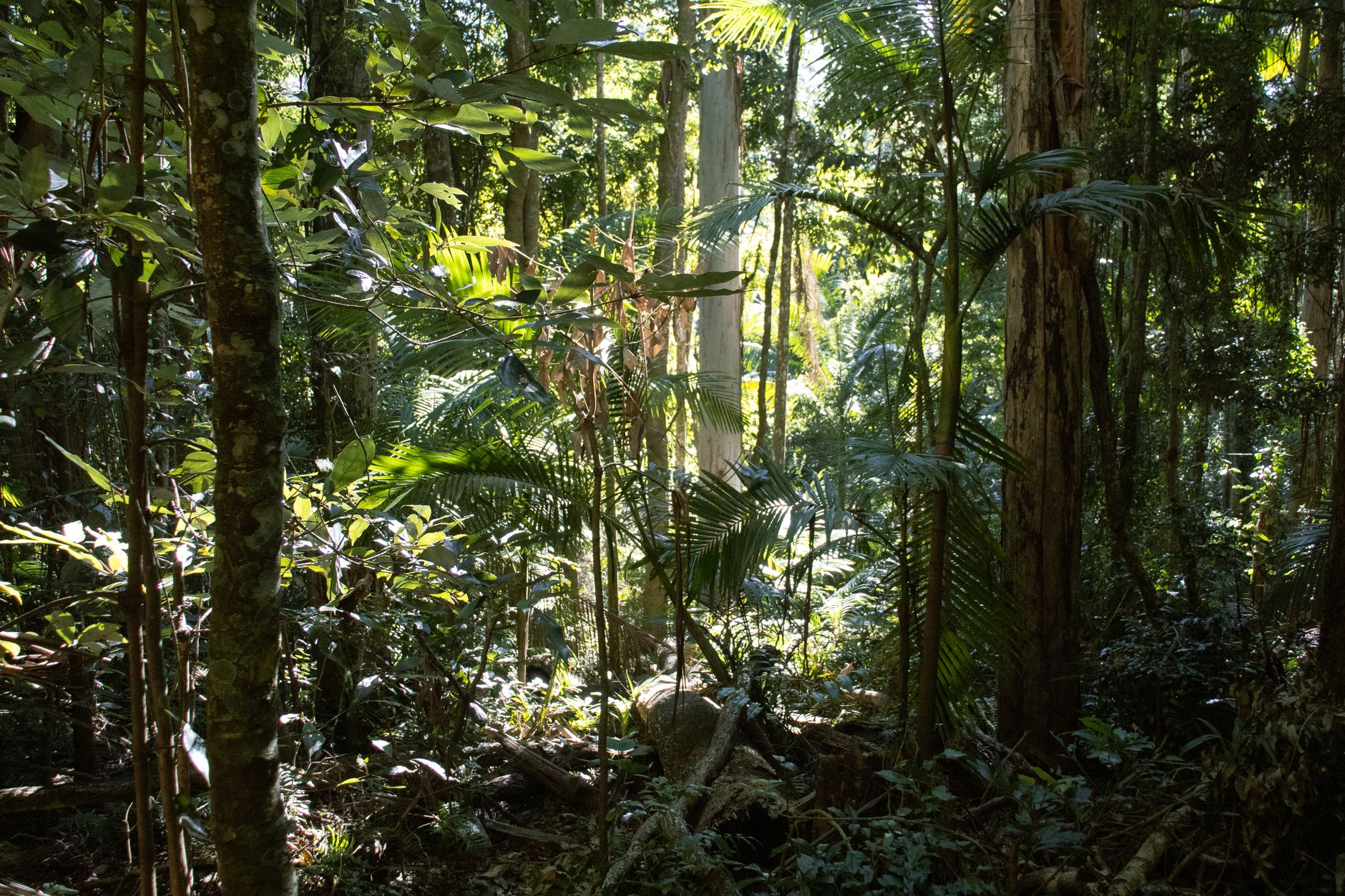
Uganda’s lower price point does not signal a lesser experience. The trek itself tends to be longer and more physically demanding in Bwindi than in Volcanoes, where trails are shorter and terrain more predictable. Bwindi’s forest lives up to its name – it is genuinely impenetrable in places, requiring porters and rangers to cut paths through tangled vegetation. That physical effort is part of what makes the gorilla encounter feel earned rather than arranged.
Inside the Forest: What the Trek Actually Looks Like
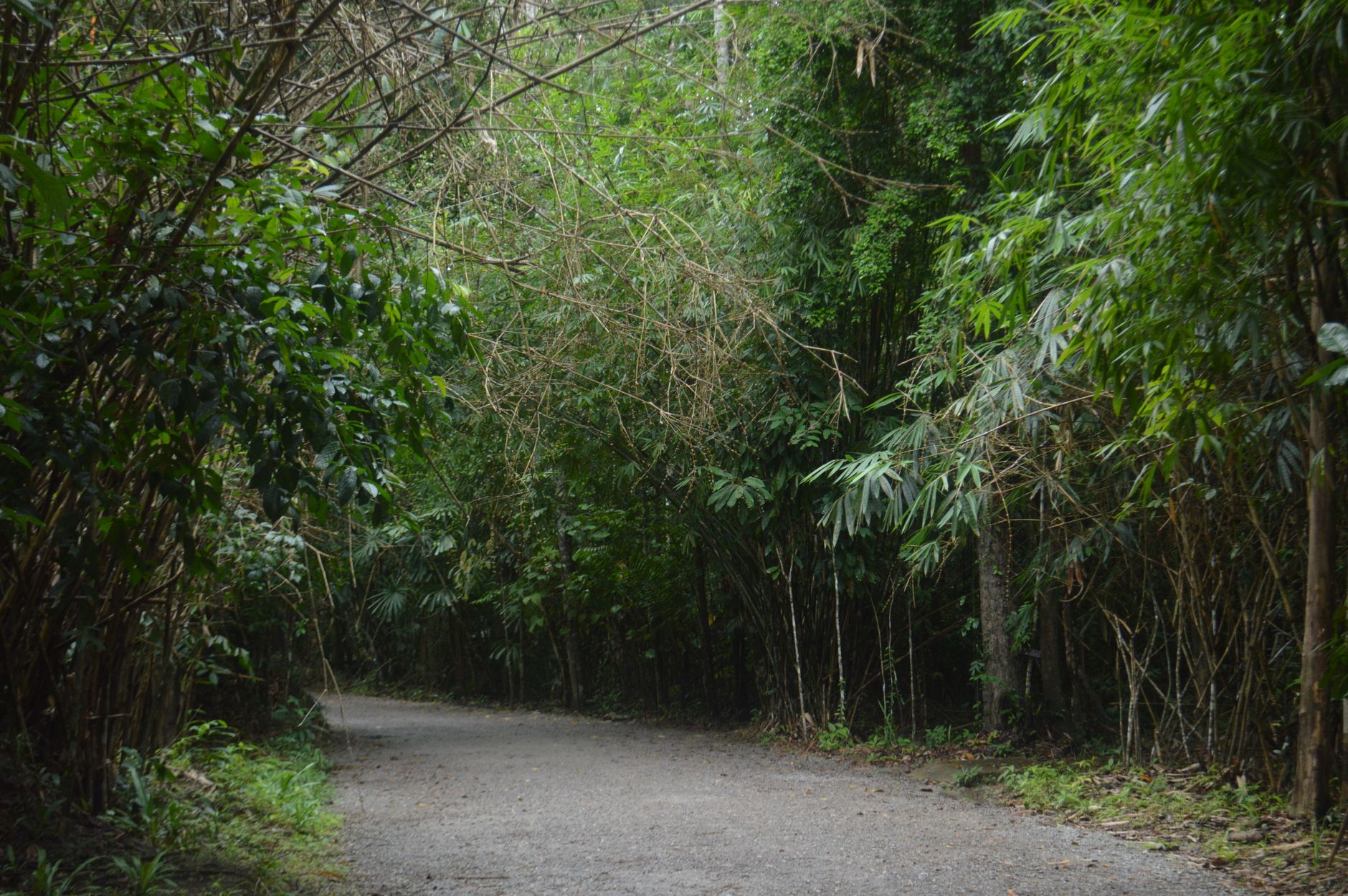
Treks at Bwindi begin before dawn with a pre-trek briefing at the sector’s ranger station. Groups are divided by family assignment, handed a porter if needed, and sent into the forest with a lead ranger and two armed escorts. The walking itself can last anywhere from two hours to a full day, depending on where the habituated gorilla family slept the night before. Rangers track the group’s location from the previous evening’s nest site, which means no two treks follow the same route.
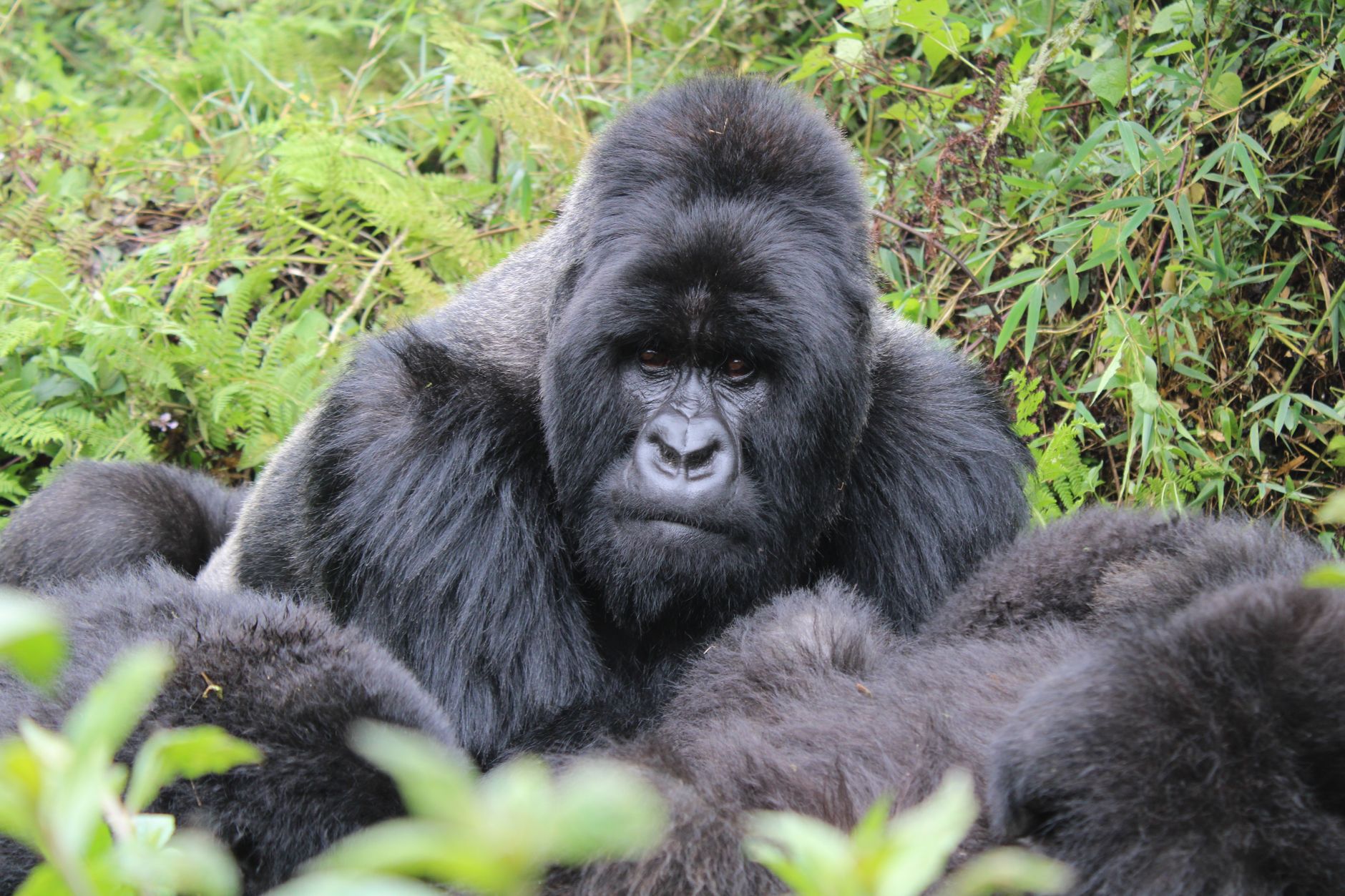
When a family group is found, visitors are given one hour in close proximity to the gorillas – close enough to hear them breathe, watch juveniles wrestle in the canopy, and observe silverbacks move through the undergrowth with a weight and deliberateness that makes the encounter feel more like a wildlife documentary than a zoo visit. The UWA enforces a seven-meter distance rule, though the gorillas themselves do not always cooperate with that boundary. A silverback walking through a group of trekkers is not unusual and is handled calmly by rangers who know the animals’ individual behaviors.
Bwindi’s multiple habituated families mean the park can absorb more visitors than Volcanoes while maintaining strict limits per group. The Rushaga sector alone has several habituated families, including a large group that has become well-known for its approachable silverback and the unusually high number of juveniles. The Buhoma sector, the oldest and most established, appeals to travelers who want easy access to lodging and a shorter approach through the forest’s lower elevations. Nkuringo sits at a higher altitude and offers views into the Congo basin that are completely unlike anything else in the region.
Porters are not optional extras in the way they might be on a mountain hike. On a steep Bwindi descent through wet vegetation after a long trek, a porter’s assistance on loose terrain can be the difference between a confident walk and a dangerous slide. Most trekkers hire one regardless of fitness level, and the porter fees support local communities that sit at the forest edge – a direct economic link that the Uganda Wildlife Authority has structured intentionally to give surrounding villages a stake in conservation outcomes.
The gorilla families in Bwindi have been habituated over years through a careful process of daily exposure by researchers and trackers, gradually reducing the animals’ flight response to human presence. That habituation process does not make the encounter feel managed or performative. Mountain gorillas in Bwindi behave exactly as they would without observers – feeding, socializing, sleeping, disciplining juveniles – while remaining unbothered by a small group of quiet humans standing nearby. That behavioral authenticity is what wildlife travelers pay for, and Bwindi delivers it consistently.
Practical Realities for Planning a Bwindi Trip
Getting to Bwindi requires more effort than Rwanda’s airport-to-park pipeline. Most travelers fly into Entebbe International Airport and either take a domestic flight to Kihihi or Kisoro airstrips near the park’s northern and southern sectors, or make the roughly eight-to-nine hour drive through the Ugandan countryside. The drive is not unpleasant – it passes through Queen Elizabeth National Park and the tea highlands of the Kigezi region – but it demands a day in each direction. Travelers combining Bwindi with a broader Uganda itinerary that includes chimpanzee tracking in Kibale Forest or game viewing in Queen Elizabeth find that the road time makes geographic sense as part of a longer loop.
Permit availability fluctuates, and Bwindi’s growing reputation means popular sectors like Buhoma now book out weeks or months in advance during peak travel windows in June, July, and December. The Rushaga and Ruhija sectors tend to have more permit availability with less lead time, which makes them worth considering for travelers with flexible schedules. Rwanda’s Volcanoes permits sell out faster and require more advance planning, which is one practical reason some travelers end up choosing Uganda by default – and then finding that default was the better call all along.