Uzbekistan’s Fergana Valley Quietly Rivals Samarkand for Silk Road Wanderers

The Valley That Silk Road Traders Called Home
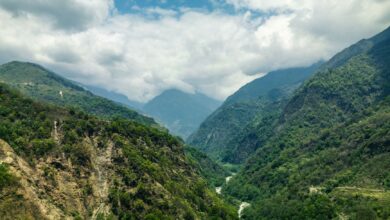
Samarkand gets the postcards. Its turquoise domes and grand madrassas have defined the visual shorthand for Uzbekistan since Western travelers first started arriving in numbers. But follow the old caravan roads east – past Tashkent, through the mountain passes – and you arrive somewhere that many Silk Road scholars quietly argue was always more important: the Fergana Valley, a broad, fertile basin ringed by the Tian Shan and Pamir-Alay ranges, where the actual commerce of the ancient world was conducted and where crafts that predate the Islamic period are still practiced by working artisans today.
The valley stretches roughly 300 kilometers from west to east, shared awkwardly between Uzbekistan, Tajikistan, and Kyrgyzstan in one of Central Asia’s most complicated border configurations. For travelers, this means the Uzbek portion – anchored by the cities of Fergana, Andijan, and Kokand – functions almost as a self-contained world, connected to the rest of the country by a single mountain highway that closes in winter and by domestic flights that remain startlingly cheap. Getting there requires intention. That is precisely why the crowds from Samarkand have not yet arrived.
This is a place where the trade routes were not a metaphor but a daily reality.
Rishtan’s Clay and Margilan’s Silk
Two towns define the valley’s craft identity in ways that go well beyond tourist brochure language. Rishtan, a small city close to the Kyrgyz border, has produced ceramics for at least two millennia. The blue-green glaze known locally as iskorta is derived from mineral compounds found in the surrounding soil, and the technique for achieving it is passed from master to apprentice in workshops that look much the same as they did a century ago. Visiting a working pottery studio here – something easily arranged through guesthouses in Fergana city – means watching raw clay transform over hours into the distinctive plates and bowls that collectors in Tashkent and Moscow have been hunting for decades. The pieces are heavy, functional, and utterly unlike the souvenir ceramics sold near the Registan.
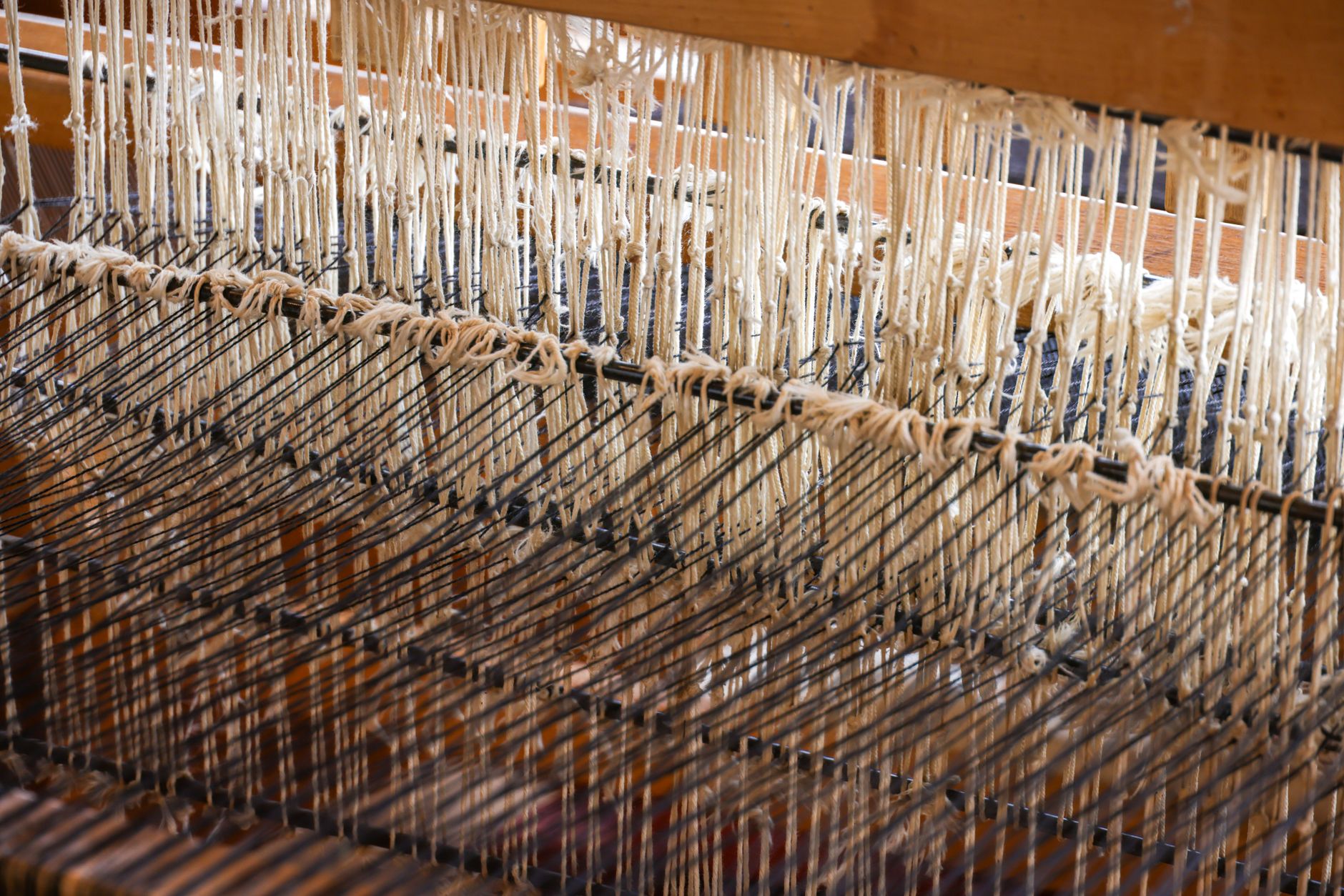
Margilan is the silk capital. Uzbekistan’s Atlas silk – the ikat-weave fabric with its blurred, almost watercolor-style pattern – was largely developed in this city, and several old factories still operate mechanical looms that date from the Soviet era alongside hand-looms that are considerably older. A single length of hand-woven Atlas silk can take days to complete, with the thread-dyeing process alone requiring careful planning to achieve the characteristic color bleeding. Travelers who visit Margilan’s Yodgorlik Silk Factory can watch every stage of production, from the boiling of silkworm cocoons to the final weaving, in a single afternoon. The fabric sold in the adjoining shop is not marked up for foreign tourists – the prices reflect what locals actually pay.
What makes both Rishtan and Margilan unusual is the absence of performance. Artisans are not demonstrating for visitors; they are working. The workshops are alive with production pressure, not heritage theater, and that distinction is felt immediately upon arrival.
Kokand’s Palace and the Valley’s Political Shadow
Kokand sits at the western end of the valley and carries a different kind of weight. Between the early 18th century and 1876, it was the capital of the Kokand Khanate, a sovereign state that at its peak controlled territory stretching into present-day Kazakhstan and Kyrgyzstan. The Khudoyar Khan Palace – the last remaining major structure from that era – is a deliberate display of regional power, with 113 rooms arranged around ornate courtyards decorated in the blue-and-white tilework the khanate favored over the more famous turquoise of Samarkand. The building was partially converted to a museum during the Soviet period, but its proportions and decoration remain intact enough to communicate what the Fergana Valley once represented as a political center.
The city around the palace has not been heavily restored or redesigned for visitors. Old quarters with narrow lanes, bazaars selling dried fruits and spices by the kilogram, and mosques that are active places of worship rather than monuments – Kokand operates as a living Uzbek city that happens to contain extraordinary historical architecture. Guesthouses in the old town are small-scale and family-run, and the absence of large tour groups means conversations with locals happen organically, without the transactional quality that high-traffic heritage sites tend to produce.
The valley’s history is not only ancient. Andijan, at the eastern end, was the birthplace of Babur, the Timurid prince who went on to found the Mughal Empire in India. His connection to Fergana is commemorated with a park and museum, but more striking is the city itself – rebuilt after a devastating 1902 earthquake and then marked permanently by the 2005 government crackdown that killed hundreds of protesters and drove a significant portion of the population into exile. Traveling through Andijan today means holding both histories simultaneously: the city of Babur and the city of a more recent and unresolved trauma.
Practical Reality for First-Time Visitors
Uzbekistan has simplified its visa situation considerably in recent years, with many nationalities now eligible for e-visas or visa-free access. Getting to Fergana city specifically involves either a flight from Tashkent (under an hour, bookable through Uzbekistan Airways or the budget carrier Qanot Sharq) or a shared taxi ride through the Kamchik Pass – a mountain crossing that is genuinely scenic and takes around four hours from Tashkent. Once in the valley, shared taxis between Fergana, Margilan, Rishtan, Kokand, and Andijan are frequent and inexpensive. The distances are short enough that a traveler based in Fergana city can reach all major points of interest in day trips without needing to change accommodation repeatedly.
Guesthouses in Fergana city are the practical base of choice. Several family-run options near the central bazaar offer traditional plov breakfasts and can arrange English-speaking guides to Rishtan and Margilan for reasonable fees. The valley’s food culture deserves its own attention – Fergana plov is considered by many Uzbeks to be the definitive version of the national dish, cooked with yellow carrots and a specific variety of local rice that produces a texture unavailable anywhere else. Restaurants serving it operate out of converted courtyards, and lunch service typically ends by early afternoon when the rice runs out.
The travel window matters. Late April through early June and September through October offer comfortable temperatures and avoid both the harsh valley summer and the mountain pass closures of winter. The spring window also catches apricot blossom season, when the orchards that cover the valley floor turn the entire landscape briefly white.

Samarkand will continue drawing the crowds, and its monuments justify every photograph. But the Fergana Valley holds what Samarkand can no longer offer: the texture of a place still in use, still producing, still complicated – where a silk workshop runs on deadline and a ceramicist in Rishtan is too focused on the kiln to notice you watching. That particular quality, once a destination loses it, does not come back.