
Botswana’s Okavango and Chobe regions have long held a monopoly on the river safari conversation, but a stretch of water running along Zambia’s southern border is starting to change that calculus. The Lower Zambezi – quiet, wild, and significantly less visited – is drawing a growing number of safari travelers who want the water-level wildlife experience without the crowds that now define southern Africa’s most famous wetlands.
A River Valley That Operates on Its Own Terms
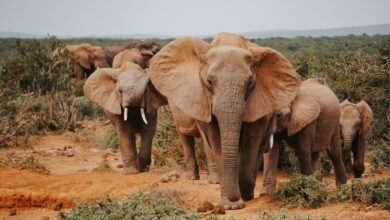
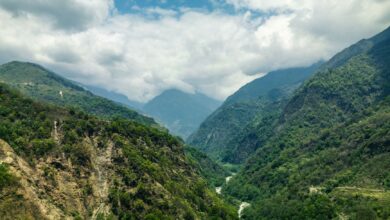
The Lower Zambezi National Park sits in a flood plain bordered by the Zambezi Escarpment to the north and the river itself to the south. That geography creates a natural funnel for wildlife – elephants, buffalo, lions, leopards, and hippos are all concentrated along the riverbanks, especially during the dry season between May and October when the vegetation thins and water sources consolidate. The result is a density of animal sightings that catches first-time visitors off guard.
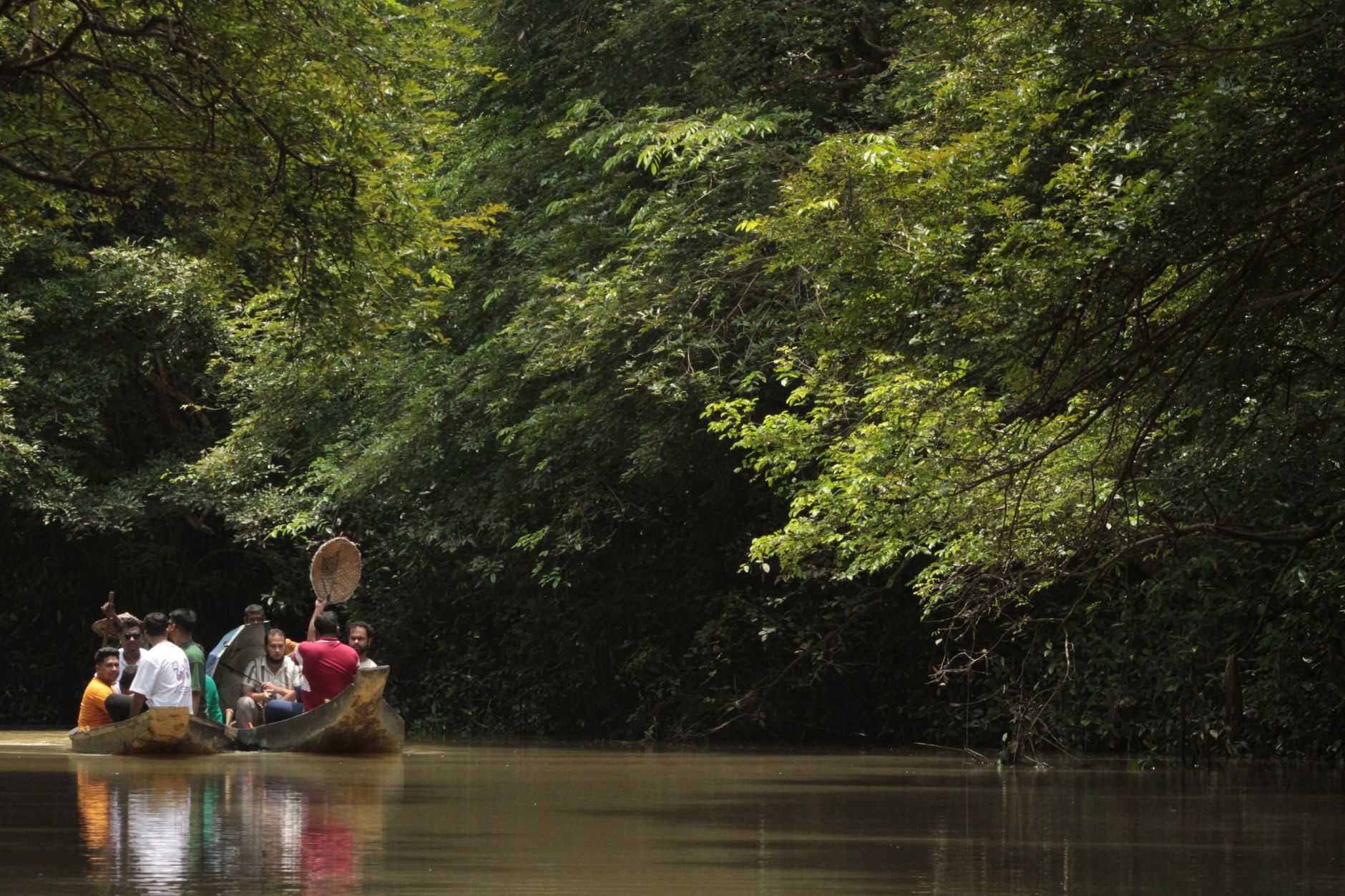
What sets the Lower Zambezi apart from its Botswana rivals is the activity mix available on the water itself. Canoe safaris – multi-day trips paddling downstream and camping on islands or riverbanks – are a signature experience here, one that Botswana simply does not replicate at the same scale or with the same sense of raw exposure. You are at river level, a few feet from hippos surfacing beside your canoe, moving silently enough that wildlife barely registers your presence. The adrenaline component is real.
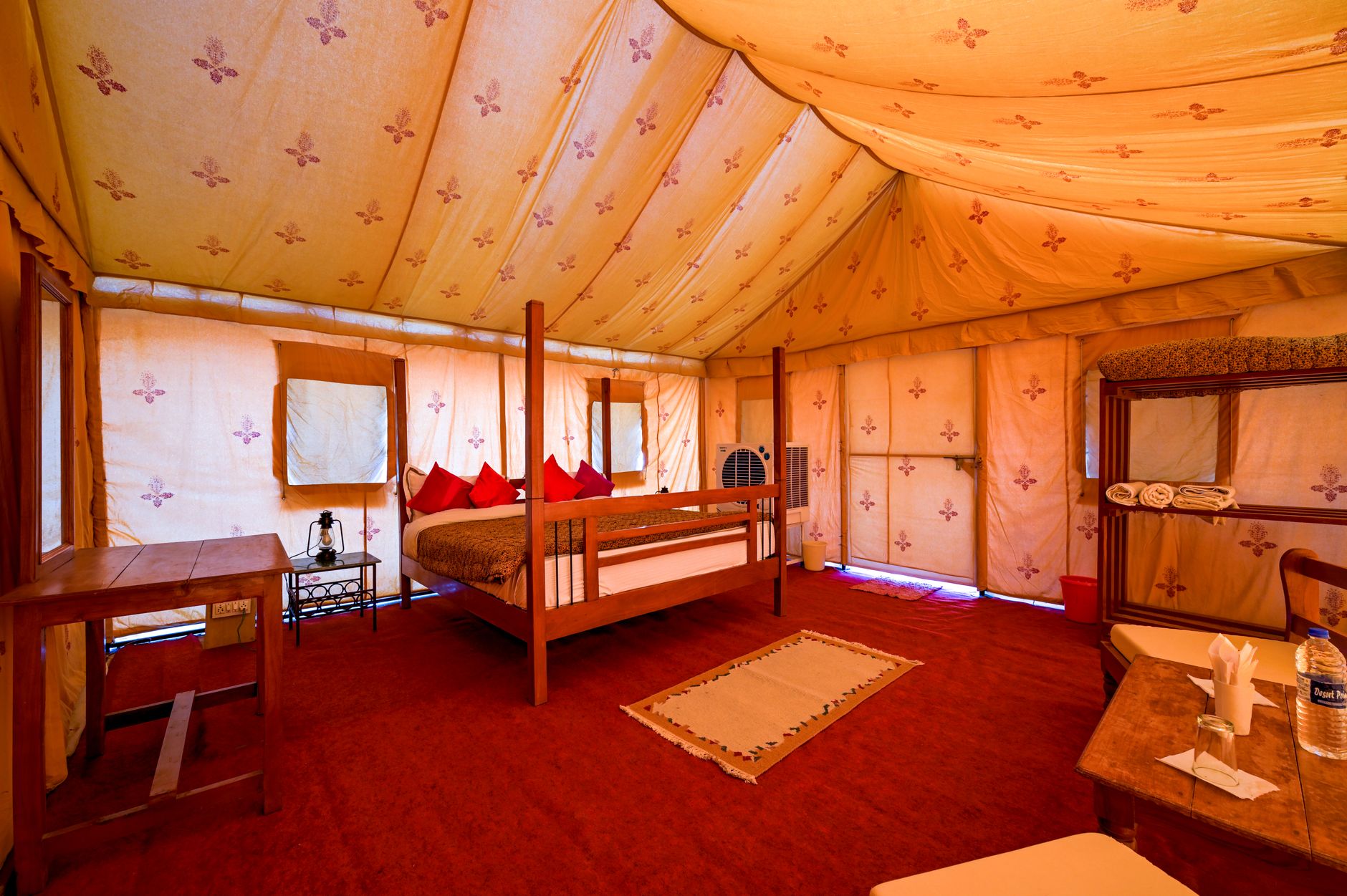
The camps operating inside and around the park are deliberately small. Most hold fewer than twenty guests at any given time, which keeps the atmosphere intimate and the game drive vehicles spread thin across a large territory. The lodges here have largely avoided the architectural ambition that now defines some of Botswana’s high-end destinations – the aesthetic leans toward canvas, timber, and open air, with the bush kept close and visible from the bed.
The fishing, particularly for tigerfish, has built its own reputation entirely separate from the wildlife circuit. Serious anglers travel to the Lower Zambezi specifically for the tigerfish run, which peaks around August and September. That gives the region a dual-market appeal – it pulls wildlife photographers and it pulls sport fishermen, often on the same itinerary, because the river accommodates both without conflict.
How It Compares to Botswana, Honestly
Botswana’s Okavango Delta and the camps along the Chobe River offer something the Lower Zambezi cannot yet fully match: infrastructure depth. Botswana’s safari industry has had decades to build out its network of camps, airstrips, and guiding talent, and that experience shows. Getting into the Okavango via chartered light aircraft, landing on a remote grass strip, and stepping into a camp that has clearly been refined over many seasons – that polish is hard to argue with.
But polish comes with a price, and it also comes with volume. The Delta’s most celebrated areas now move significant numbers of tourists through them annually, particularly during the peak dry months. Some travelers report spotting other vehicles at high-demand sightings, which is not catastrophic by East African safari standards but does undercut the isolation that drove them there in the first place. The Lower Zambezi, by comparison, can still deliver long stretches of game driving or canoeing with no other operator in sight.
Cost comparison between the two destinations is not as dramatic as people expect. Zambia’s best camps sit in a similar price bracket to Botswana’s mid-to-upper tier properties, driven by the same logic – small capacity, remote logistics, and an all-inclusive model. The gap closes further when you factor in internal flight costs, which Botswana tends to require more of given how spread its key destinations are. A focused Zambia trip concentrating on the Lower Zambezi can actually come in under an equivalent Botswana itinerary for comparable quality.
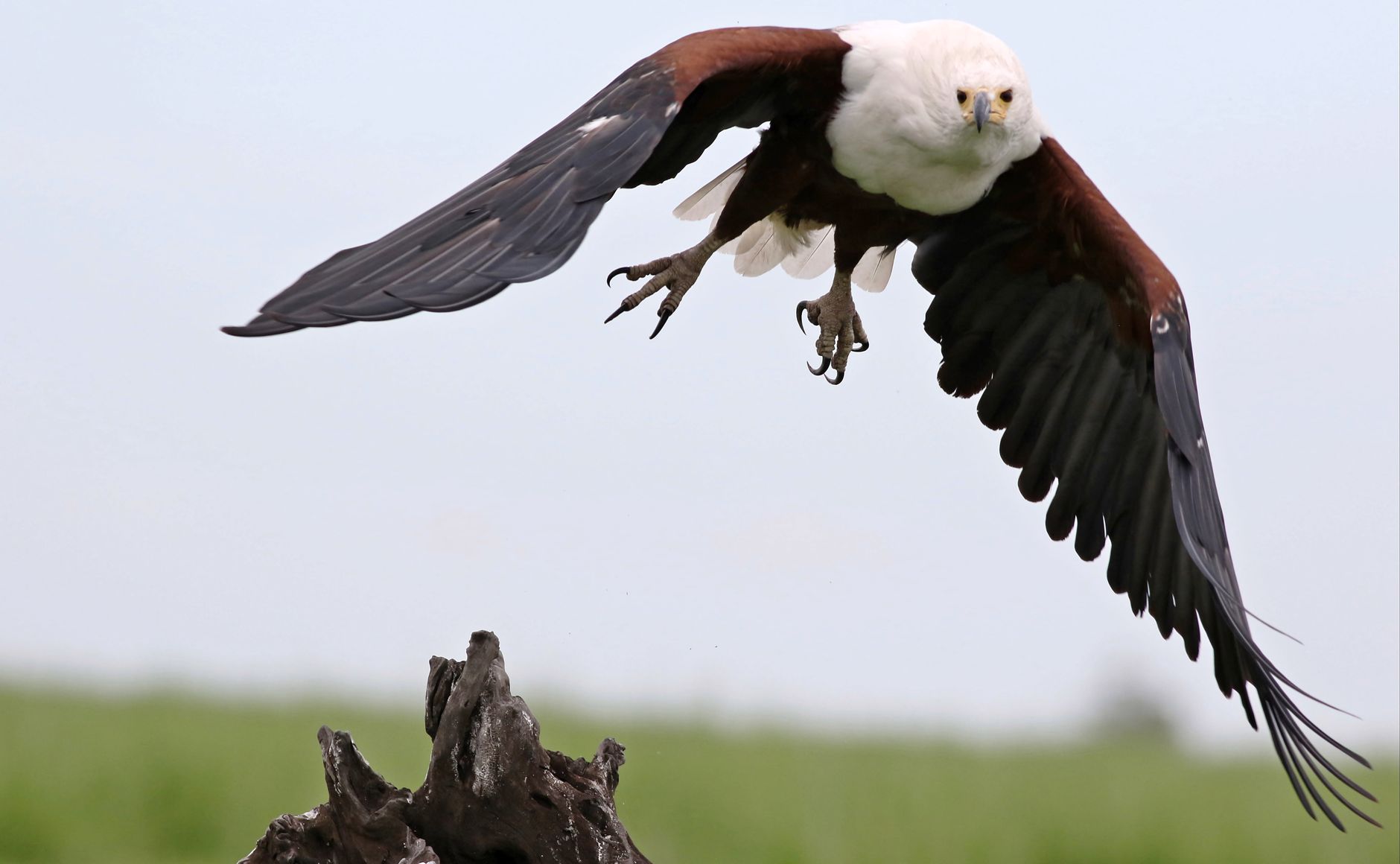
The wildlife species lists overlap heavily. Both regions offer the Big Five or close to it, both have exceptional elephant populations, and both deliver the aquatic wildlife – hippos, crocodiles, fish eagles – that defines a river safari. Where Botswana pulls ahead is wild dog sightings, which the Okavango Delta has documented at rates that few other destinations match. The Lower Zambezi has wild dogs but sightings are less predictable. For travelers prioritizing that species specifically, Botswana remains the stronger bet.
Zambia’s broader safari circuit also offers a pairing that sharpens the Lower Zambezi’s appeal. Combining it with South Luangwa National Park – Zambia’s most celebrated wildlife destination and the birthplace of the walking safari – creates a two-destination trip that covers vastly different ecosystems and activity types. That kind of itinerary flexibility, without ever crossing into another country, is an advantage that Botswana-only trips cannot replicate as efficiently.
What Travelers Should Know Before Going
Access to the Lower Zambezi runs primarily through Lusaka, with charter flights connecting to airstrips inside and near the park. Road access exists but is slow and best suited to travelers with ample time and a genuine appetite for overland logistics. The camp season follows the dry months closely – most properties close between November and April when rains flood the flood plain and roads become impassable. Booking during the shoulder months of May or October often yields lower rates and softer crowds, with wildlife sightings still strong enough to justify the trip.
Malaria prophylaxis is non-negotiable here, and the river environment means mosquito exposure at dusk and dawn is constant. That is the same reality facing travelers in the Okavango, but worth stating plainly for anyone accustomed to drier safari destinations like Namibia or South Africa’s private reserves. The wilderness here is wet, warm, and alive in ways that require preparation – and that same aliveness is exactly what keeps the Lower Zambezi’s growing fan base coming back.