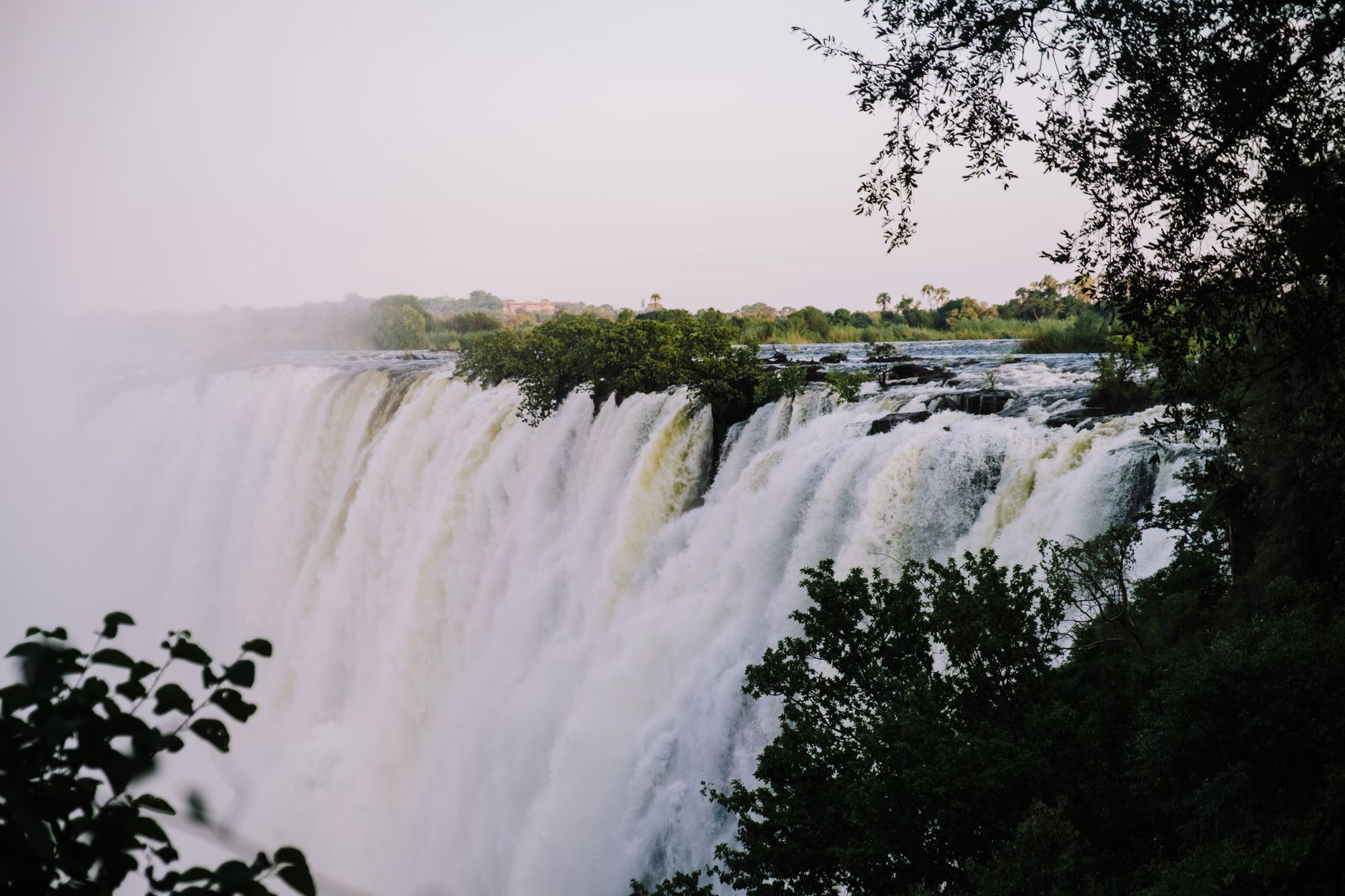

The Zambezi’s Best-Kept Secret
Botswana has long held the crown for discerning safari travelers – the Okavango Delta, the vast salt pans of Makgadikgadi, the predator-dense plains of the Linyanti. The marketing is flawless, the lodges are legendary, and the prices reflect all of that. But roughly 400 kilometers northeast, separated by the width of Zimbabwe, Zambia’s Lower Zambezi National Park sits on its own stretch of the great river doing something Botswana stopped doing years ago: keeping quiet.
The Lower Zambezi covers just over 4,000 square kilometers of floodplain, escarpment, and riparian forest along the northern bank of the Zambezi River. It shares a water boundary with Zimbabwe’s Mana Pools National Park across the river, which means the combined wildlife corridor is enormous – animals move freely, populations are healthy, and there is no fence separating the ecosystem from the wild. That geographic reality matters more than any lodge brochure.
It is one of the few places in Africa where you can fish for tiger fish in the morning and watch a lion pride cross a sandbank in the afternoon, all from the same boat.
Why Safari Purists Are Paying Attention
The appeal of the Lower Zambezi is specific. This is not a Big Five tick-box destination engineered for first-timers with high expectations and limited time. The park rewards patience and repeat visits. Elephant populations here are among the densest in southern Africa, and because the animals have limited hunting pressure and sustained protection, they behave differently – more relaxed, more curious, less reactive to vehicles. That behavioral shift is something experienced safari-goers notice immediately and rarely forget.
Canoe safaris on the Zambezi itself are the signature activity, and nothing else quite compares. Drifting in a two-person canoe past pods of hippos, within meters of drinking buffalo herds, without an engine or a roof or a roll bar between you and the riverbank – it is an entirely different register of encounter from a game drive vehicle. A growing number of operators in the region are building multi-day canoe itineraries that move guests downstream between fly camps, sleeping under canvas on remote islands or sandy shores. The logistics are more involved, the experience is more raw, and that is exactly why the people who seek it out come back.
Walking safaris are equally serious here. The Lower Zambezi has a strong tradition of guided walking, and the guides licensed to operate in the park are trained to a standard that reflects how dense and unpredictable the wildlife can be. Walking within close range of elephant or buffalo is not a curated photo opportunity – it requires judgment, communication, and the kind of situational reading that takes years to develop. Guests who have done game walks in East Africa often describe the Lower Zambezi equivalent as a different discipline entirely.
The Infrastructure Question
The honest case against the Lower Zambezi has always been access. Getting there requires a flight into Lusaka followed by a light aircraft connection to one of the park’s small airstrips, or a long drive on roads that vary considerably in quality depending on the season. The wet season from November through April closes most camps entirely, and the roads during shoulder months can be genuinely challenging. Botswana, by contrast, has refined its airstrip network to the point where the journey feels nearly effortless.
But the camps that have opened in the Lower Zambezi over the past decade have closed the comfort gap significantly. Several properties now offer the kind of design and cuisine that compete directly with southern Africa’s best – open-fronted suites facing the river, plunge pools, serious wine programs, and kitchens working with local produce and Zambian ingredients. The intimacy of these camps, most capped at ten to sixteen guests, creates a dynamic that large-scale operations simply cannot replicate. Staff-to-guest ratios are high, itineraries are genuinely flexible, and it is entirely possible to be the only vehicle at a sighting.
The cost is comparable to Botswana’s premium tier, which surprises some travelers who assume lesser-known means lesser-priced. It does not. Conservation levies, park fees, and the operational costs of remote camp logistics stack up quickly. What you are paying for is exclusivity that Botswana’s more developed circuit has steadily eroded as demand has climbed.
The Case for Going Before the Word Spreads Further
The Lower Zambezi has appeared on enough “hidden gem” lists in recent years that the word hidden is getting harder to justify – but visitor numbers remain genuinely low compared to Botswana’s Okavango, and the park’s infrastructure has not scaled to accommodate mass-market volumes, nor does it seem designed to. The operators working there tend to be deeply invested in long-term ecological outcomes rather than short-term bookings, which keeps both the quality and the wildlife integrity intact. The question is not whether the Lower Zambezi deserves the attention – it does – but whether the attention will eventually change what makes it worth having in the first place.