Zimbabwe’s Matobo Hills Quietly Rival Victoria Falls for Rock Art Seekers

Most visitors flying into Zimbabwe have one destination locked in their minds: Victoria Falls. The roar of Mosi-oa-Tunya, the spray visible from miles away, the bungee cords and sunset cruises – it is a spectacle engineered for mass awe. But roughly five hours south by road, a different kind of magnificence waits in near silence, scattered across ancient granite domes and hidden cave shelters in a landscape that has barely changed since the Stone Age.
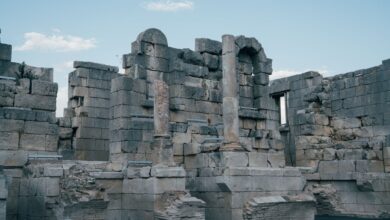
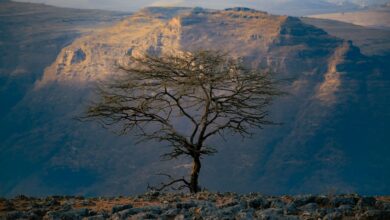
The Matobo Hills – also spelled Matopos – sit outside Bulawayo in southwestern Zimbabwe, covering roughly 3,100 square kilometers of sculpted boulders, sparse woodland, and some of the densest concentrations of San rock art anywhere on earth. UNESCO recognized the national park within the hills in 2003, but international visitor numbers have never matched the site’s archaeological weight. That gap between importance and footfall is exactly what makes it worth the detour.
This is not a consolation prize for travelers who missed the falls.
Reading the Walls: What the Rock Art Actually Tells You
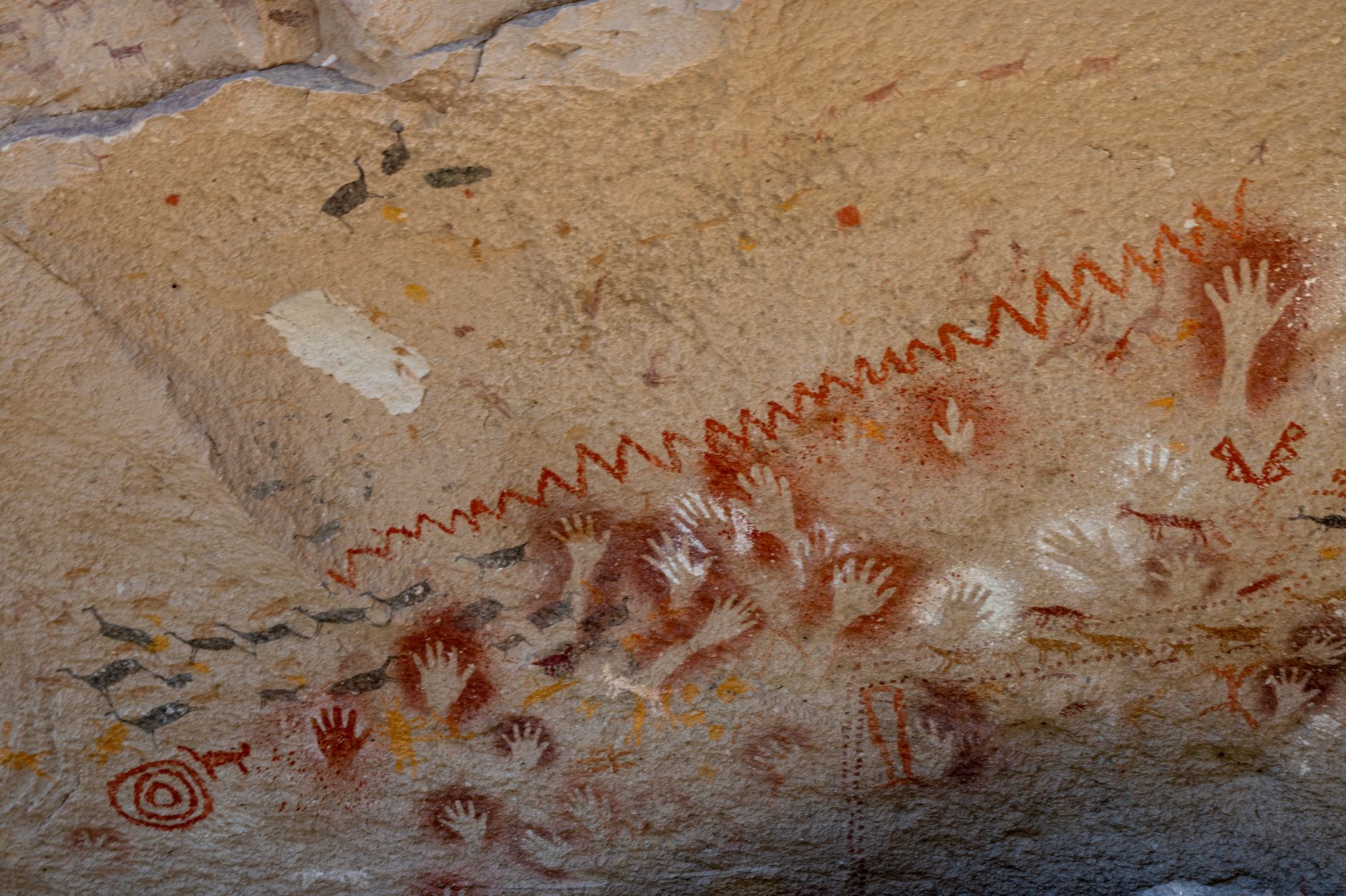
The San people – hunter-gatherers who inhabited southern Africa for tens of thousands of years before Bantu-speaking populations moved through the region – left behind more than 3,000 recorded rock art sites across the Matobo Hills. Paintings in red ochre, white clay, and black charcoal depict giraffe hunts, trance dances, elephant herds, and human figures in motion. Many are layered across centuries, with newer images painted directly over older ones, creating accidental palimpsests of belief and daily life.
What separates the Matobo sites from rock art found elsewhere in Africa is the density and the preservation. The granite overhangs act as natural roofs, shielding the paintings from rain erosion. At sites like Nswatugi Cave and Pomongwe Cave, figures painted thousands of years apart share the same rock face. The visual conversation between those layers is the real exhibit. A guide who knows the iconography – the dotted lines indicating spiritual trance states, the elongated figures representing shamanic transformation – turns what might look like decorative markings into a readable narrative of consciousness and ritual.
Bringing a knowledgeable local guide is not optional here. The national parks authority provides guides at the major sites, and independent operators based in Bulawayo run full-day excursions that combine multiple caves in a single circuit. Without context, the paintings are beautiful. With it, they are deeply specific – images made by people who understood their environment with a precision that modern visitors rarely bring to any landscape.
The Landscape Beyond the Caves
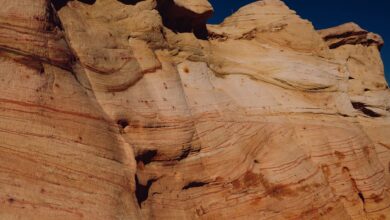
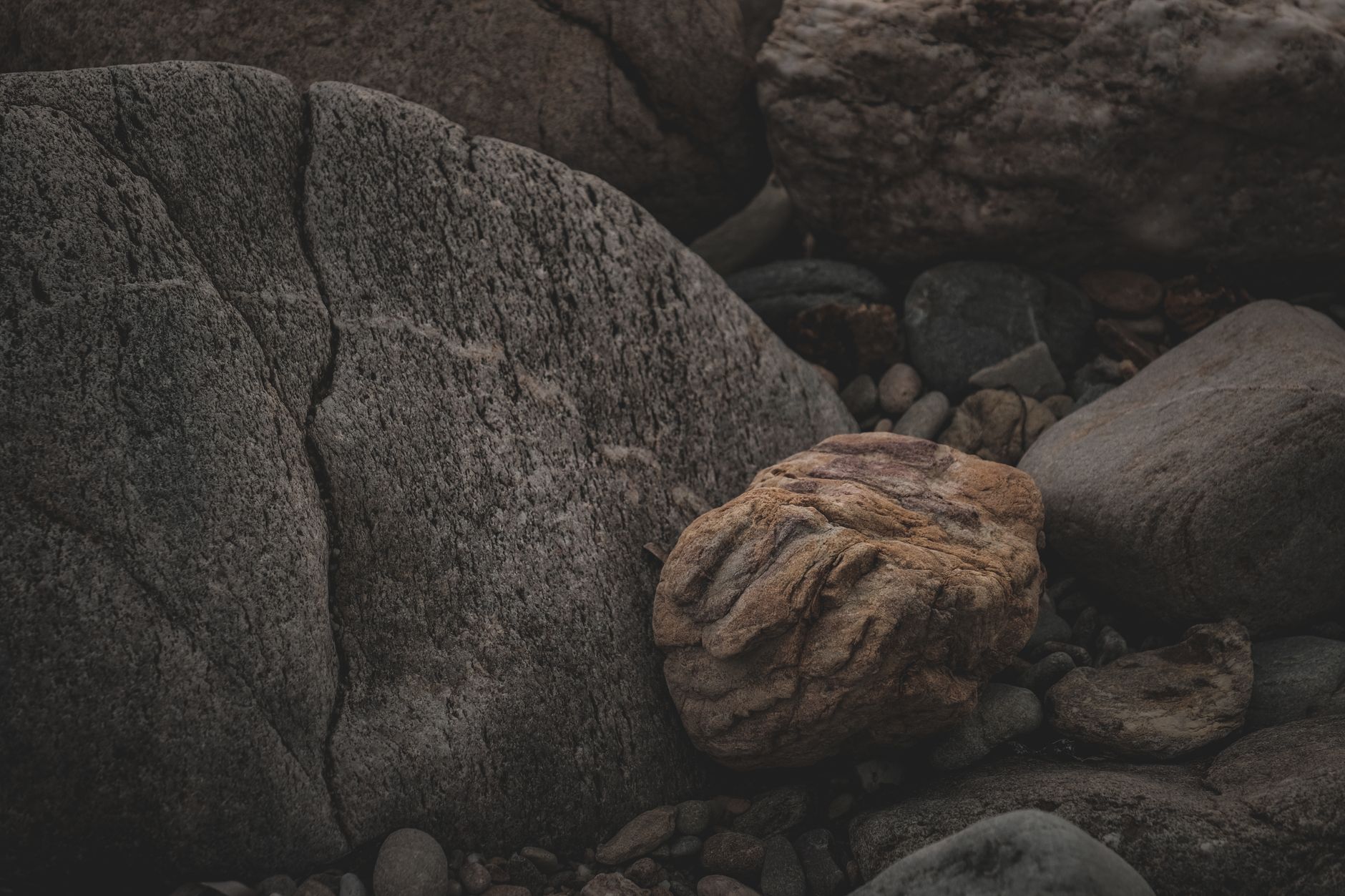
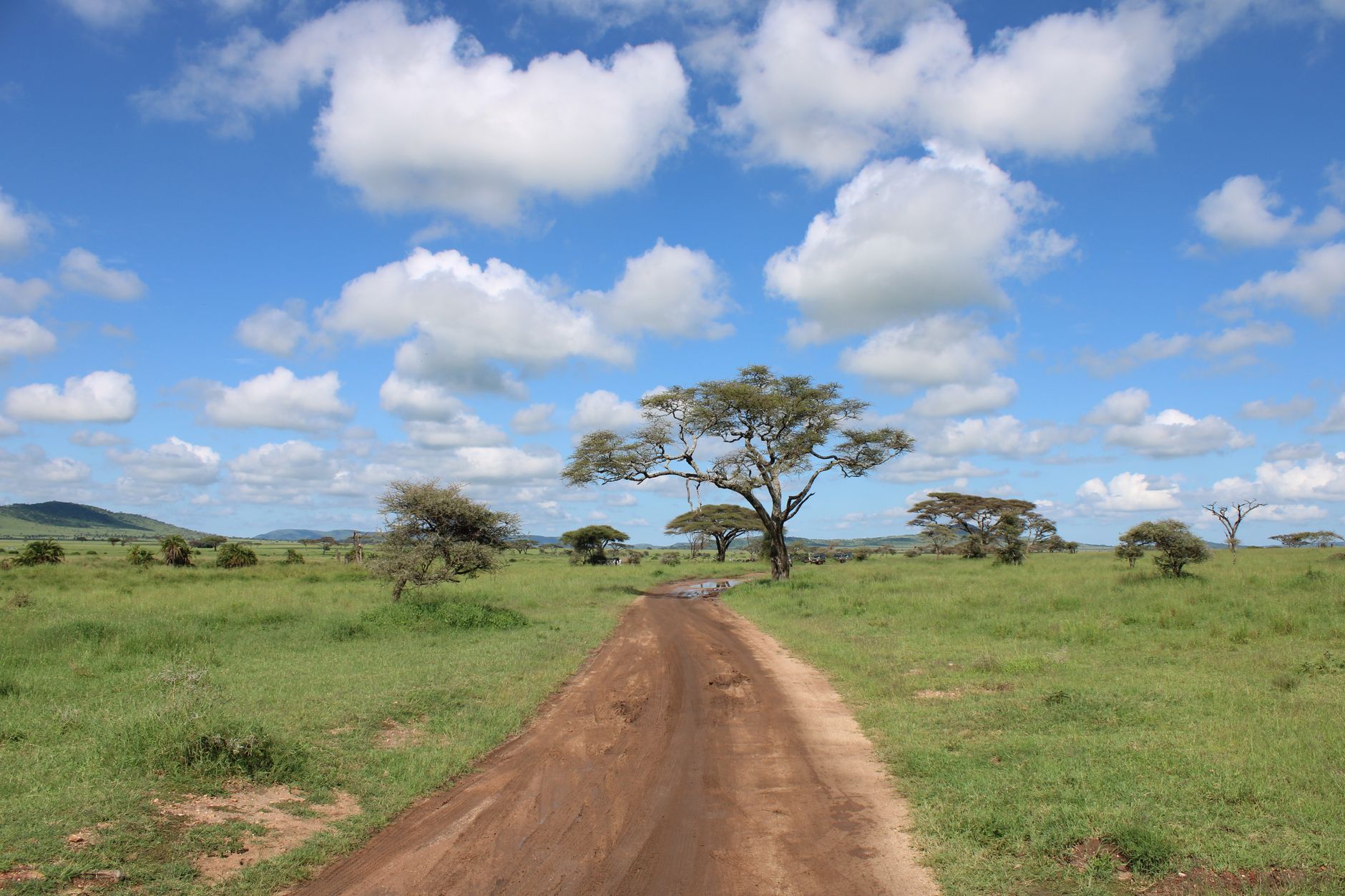
The geology of the Matobo Hills predates almost any human reference point. The granite formations – called kopjes or dwalas – were shaped by erosion over billions of years, producing rounded domes, precarious boulder stacks, and narrow valleys that trap both wildlife and rainfall. Black and white rhino populations were reintroduced to the park decades ago and have held steady, making Matobo one of the more reliable locations in southern Africa for rhino sightings on foot. Game walks with armed rangers take visitors through the rocky terrain at a pace that rewards patience, not speed.
Cecil Rhodes is buried at World’s View, the highest point in the park, a site he chose himself for the panoramic sweep of boulders extending to every horizon. Whatever one thinks of Rhodes historically, the burial site draws visitors and generates the kind of layered, uncomfortable tourism that honest travel sometimes produces. The view itself is genuinely extraordinary – wide enough on a clear day to feel like the entire southern African plateau is visible at once.
The Matobo Hills also hold religious significance for the Ndebele people, whose traditional rain-making ceremonies have been held at specific sites within the hills for generations. The overlap between indigenous Ndebele practice and the much older San painted record gives the landscape a continuous spiritual weight that no single visit can fully absorb. Visitors who factor in multiple days – staying at one of the small lodges near the park boundary – tend to leave with a sense that they have only reached the first layer.
Getting There and Managing Expectations
Bulawayo is Zimbabwe’s second city, and it connects to Harare by both road and a limited domestic air service. From Bulawayo, the Matobo National Park entrance is roughly 35 kilometers, a straightforward drive on a tar road. Most lodges arrange park transfers and guide coordination, which simplifies logistics considerably. The roads inside the park are navigable in a standard vehicle during dry season; a high-clearance 4×4 becomes advisable during the rains between November and March.
Accommodation options near the park range from basic national parks campsites with shared facilities to privately run lodges with guided programs included in the rate. The private lodge model is worth the premium if rock art is the primary draw – the guides attached to those operations often have years of site-specific knowledge that park-allocated guides cannot always match in depth. Booking ahead through Bulawayo-based tour operators also allows for customized itineraries that combine multiple caves in a logical geographic sequence rather than a rushed single-site visit.
For travelers already exploring the broader southern Africa circuit, the Matobo Hills connect naturally to Zambia’s Lower Zambezi and the wider Zimbabwe wildlife offering, making a multi-country loop genuinely practical rather than aspirational. Victoria Falls remains a logical entry or exit point, but routing the itinerary to include Bulawayo and the hills adds substance to what might otherwise be a single-spectacle trip.
The park entry fees for foreign visitors remain well below comparable UNESCO sites in eastern or northern Africa, which means the Matobo Hills still carry the rare quality of feeling genuinely unhurried – no timed tickets, no crowd management queues, no barriers between the visitor and a cave wall painted by someone who stood in the same spot eight thousand years ago.
Frequently Asked Questions
How far are the Matobo Hills from Victoria Falls?
The Matobo Hills are roughly five hours south of Victoria Falls by road, situated outside Bulawayo in southwestern Zimbabwe.
Do you need a guide to visit the rock art sites in Matobo?
A guide is strongly recommended. Local guides interpret the San iconography and spiritual symbolism that transforms the paintings from decoration into readable cultural record.