Greece’s Meteora Monasteries Attract Climbers Beyond the Pilgrimage Circuit

Where Pilgrims and Climbers Now Share the Same Sacred Rock
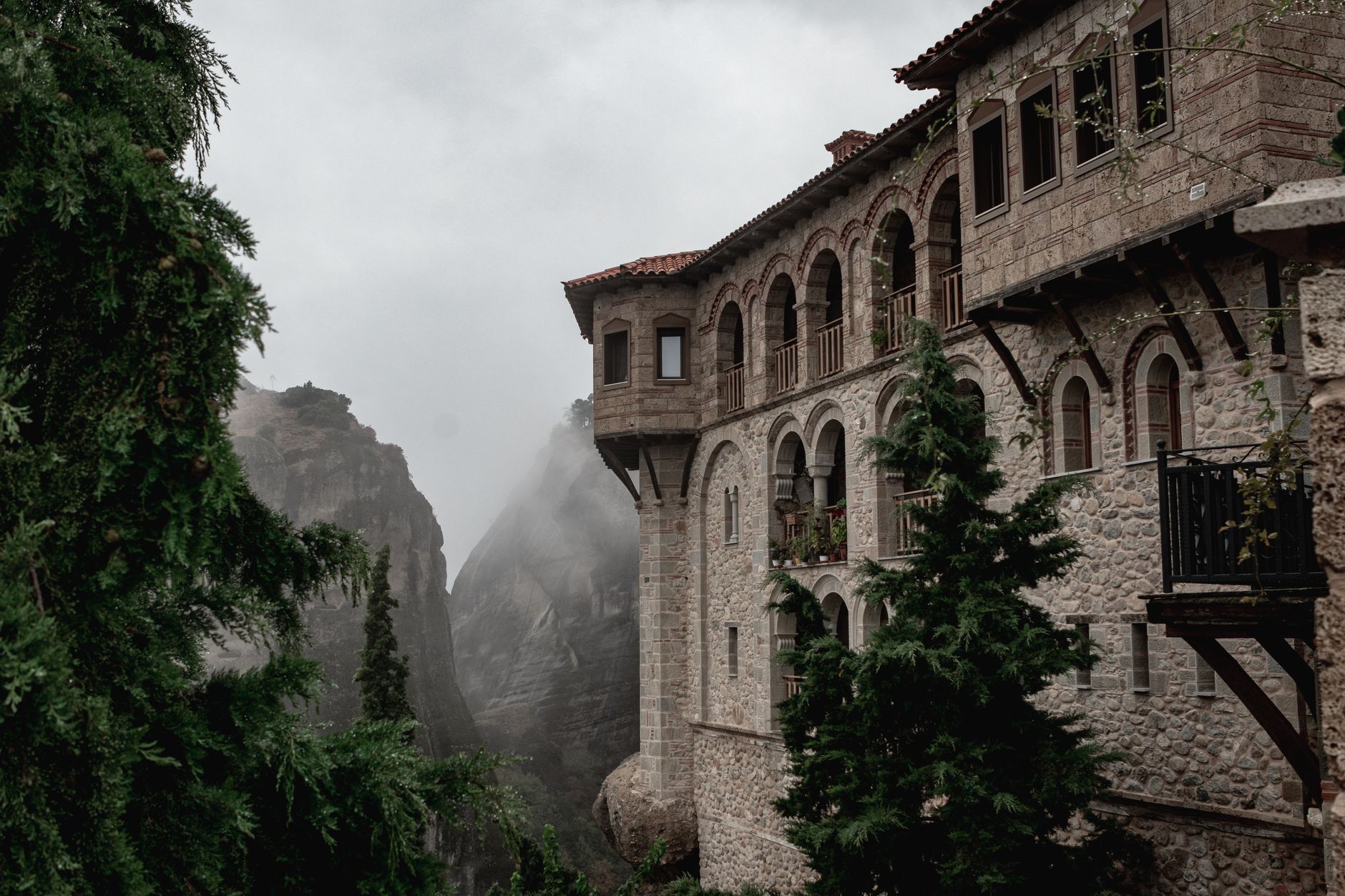
The towering sandstone pillars of Meteora in central Greece have drawn Orthodox Christian monks since the 14th century. Built on vertical rock formations that rise more than 400 meters above the Thessaly plain, the six surviving monasteries are recognized as a UNESCO World Heritage Site and remain active religious communities. For centuries, the only visitors who came were pilgrims, the devout, and the curious. That is no longer the case.
A growing number of sport climbers and adventure travelers are discovering Meteora not as a spiritual destination but as one of Europe’s most dramatic natural climbing environments. The same geology that made these cliffs feel unreachable – and therefore sacred – is now pulling a different kind of seeker: one with a harness, chalk bag, and a very different reason for looking upward.
The Geology That Makes This Place Impossible to Ignore
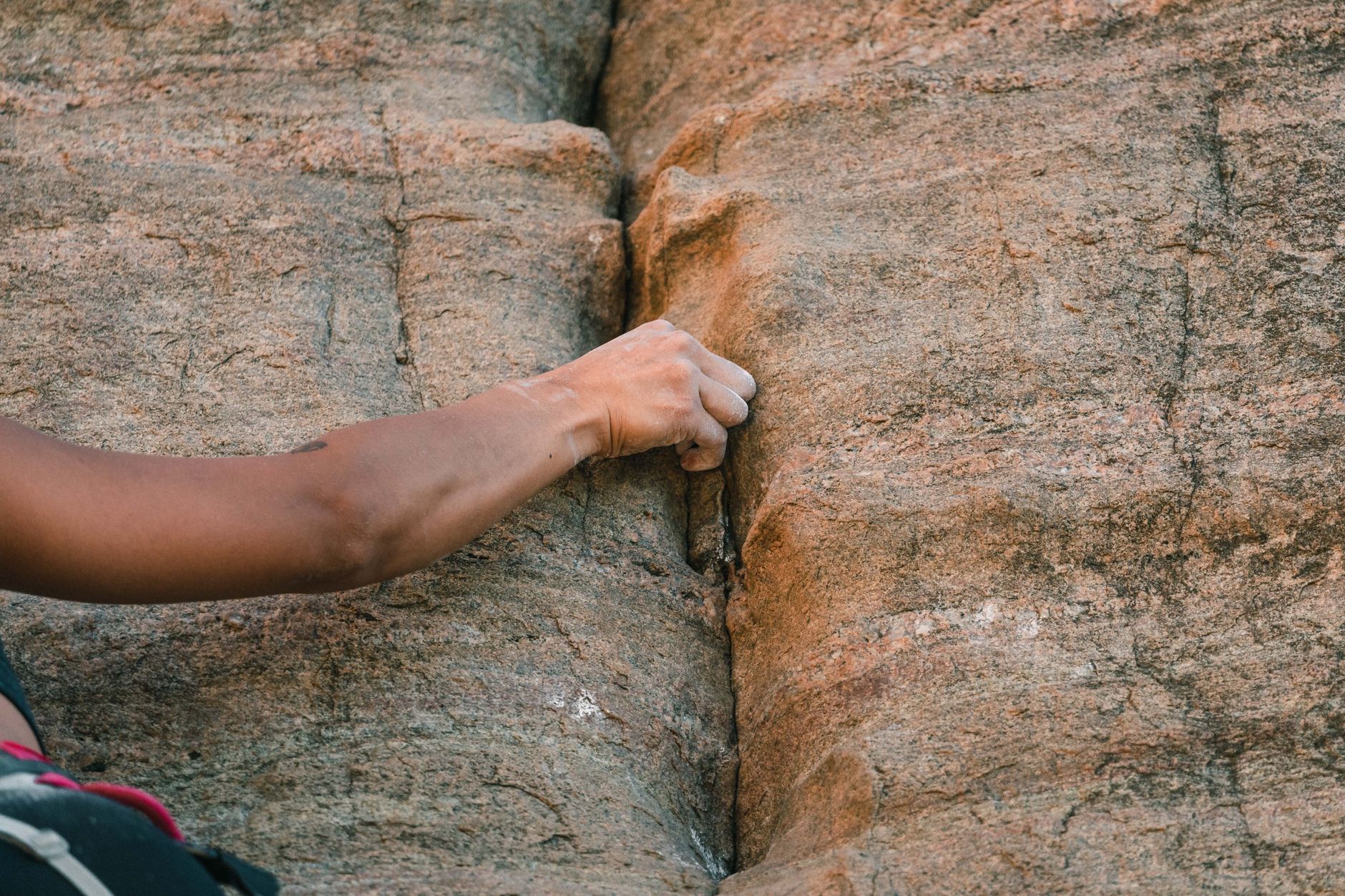
Meteora’s rock formations are roughly 60 million years old, shaped by river delta deposits, tectonic shifts, and erosion over geological time. The result is a cluster of freestanding conglomerate pillars with a texture that climbers describe as grippy, pocketed, and surprisingly varied – offering everything from beginner-friendly slab routes to multi-pitch lines that demand technical expertise. Unlike the smooth limestone faces common in the Greek islands, Meteora’s conglomerate provides natural features that reward both strength and creativity.
The climbing here is largely concentrated on formations away from the monastery zones, a geographic boundary that has helped manage the tension between tourism, religious use, and sport. Local guides and climbing organizations have worked to establish designated sectors, and route maps now circulate widely among the international climbing community. The area around Kastraki village, at the base of the rocks, has quietly built an infrastructure of climbing guides, gear rental, and sport-focused accommodation to meet growing demand.
What makes Meteora genuinely unusual as a climbing destination is the visual atmosphere. Routes pass within sight of monastery walls, Byzantine frescoes, and stairways carved directly into cliff faces by monks centuries ago. The experience of pulling through a crux move while a monastery hangs in the frame above you is not something most climbing destinations can offer. That combination of natural challenge and historical density is difficult to replicate anywhere else in Europe.
Navigating the Dual Identity
The monasteries themselves are still active. Monks and nuns live and worship in several of the six surviving buildings, and visitors are required to dress modestly and observe strict entry rules. Climbing on the rocks nearest to monastery grounds is restricted or outright prohibited, and local climbing organizations are vocal about respecting those limits. This is not a destination where the adventure crowd has overrun the original purpose – the two communities coexist with enough physical separation to avoid direct conflict.
That said, the sheer volume of visitors to the broader Meteora area has created pressure on the surrounding town of Kalambaka, which serves as the main gateway. Accommodation options have expanded significantly, and restaurants and cafes have followed. For climbers traveling on a budget, the camping and hostel scene near Kastraki remains affordable by Greek standards, especially outside the peak summer window.
When to Go and What to Expect on the Ground
Spring and autumn are the most practical seasons for climbing at Meteora. Temperatures between March and May, and again from September through November, keep the rock comfortable and the light exceptional – the warm-toned pillars photograph dramatically in low-angle morning sun, which partly explains why the destination has circulated widely on travel-focused social media. Summer brings intense heat that makes mid-day climbing on sun-exposed faces inadvisable, though early starts allow dedicated climbers to get several pitches in before temperatures spike.
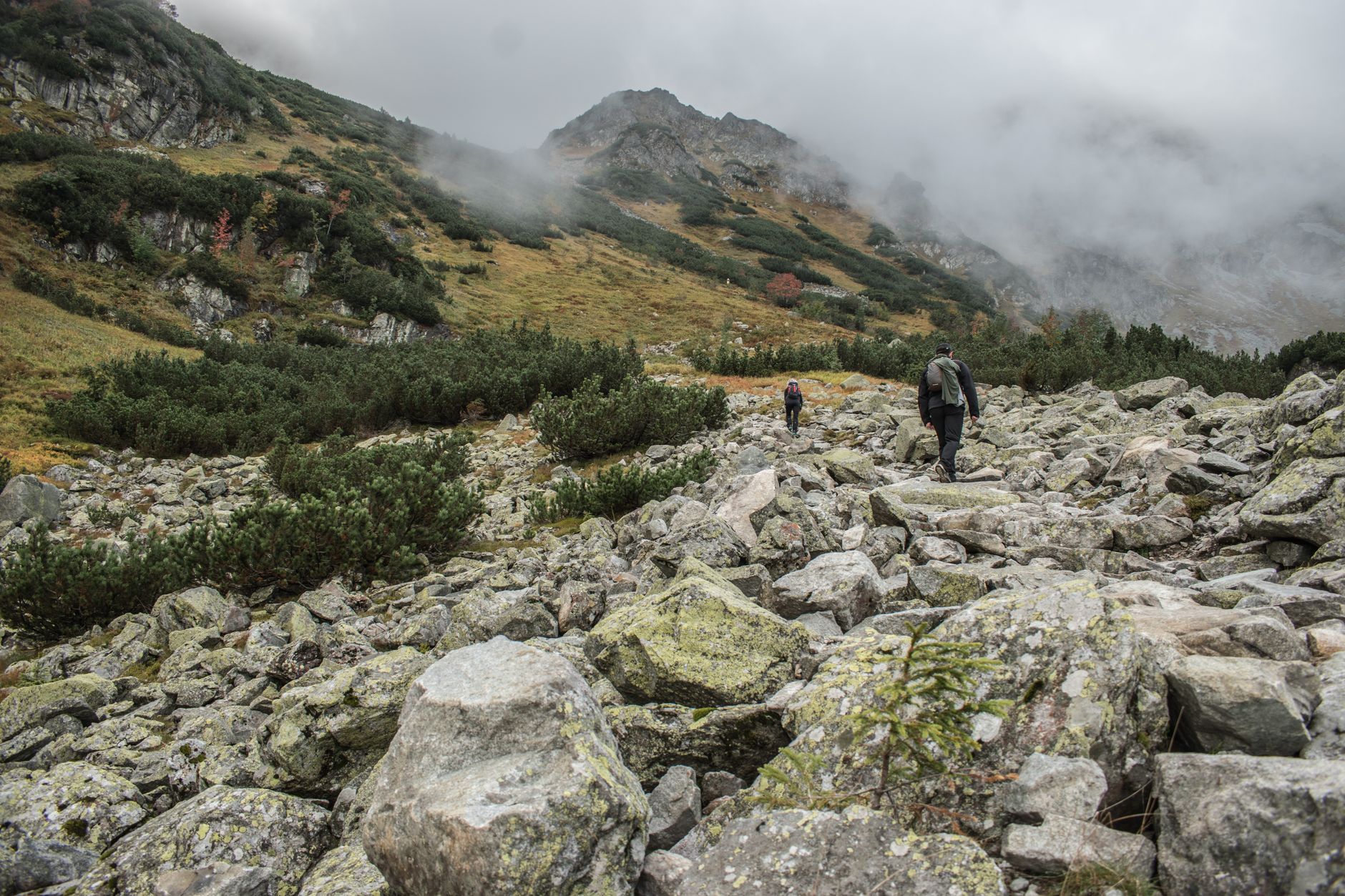
For hikers who have no interest in technical climbing, Meteora still delivers. A network of walking paths connects viewpoints, monastery entrances, and rock formations at ground level. Some paths are old monk trails cut into the cliff faces, and walking them gives a real physical sense of how deliberately isolated these communities once were. The monasteries of Varlaam and the Great Meteoron are the largest and most visited, but the smaller communities – like Roussanou, built on a rock with near-vertical drops on every side – offer a more immediate encounter with the original logic of building in such impossible places.
Guided climbing experiences are available at multiple price points, from half-day introductory sessions for travelers with no prior experience to full multi-day programs for serious climbers working through the area’s more demanding sectors. Several guides operate in English and offer routes suited to families with older children, which has widened Meteora’s appeal beyond the traditional hardcore climbing demographic. This accessibility factor matters for a destination that already draws visitors from across Europe and beyond for the monasteries alone – it gives those visitors a reason to extend their stay rather than treat Meteora as a half-day stop on a broader Greek itinerary.
Hikers looking for comparable terrain with a different cultural register might consider Jordan’s Dana Biosphere Reserve, where dramatic canyon landscapes also sit adjacent to significant historical sites. But Meteora’s specific combination – active religious life, extreme vertical geology, and accessible infrastructure – keeps it in a category of its own. The question worth sitting with is whether that balance holds as climbing tourism continues to build volume, or whether the boundaries currently in place will need harder enforcement to protect what makes the place worth visiting at all.
Frequently Asked Questions
Can you climb the rocks at Meteora’s monasteries?
Climbing is permitted in designated sectors away from monastery grounds. Routes on or immediately adjacent to active monastery buildings are restricted out of respect for the religious communities.
What is the best time of year to visit Meteora for climbing?
Spring (March to May) and autumn (September to November) offer the most comfortable temperatures and best conditions for both climbing and hiking at Meteora.