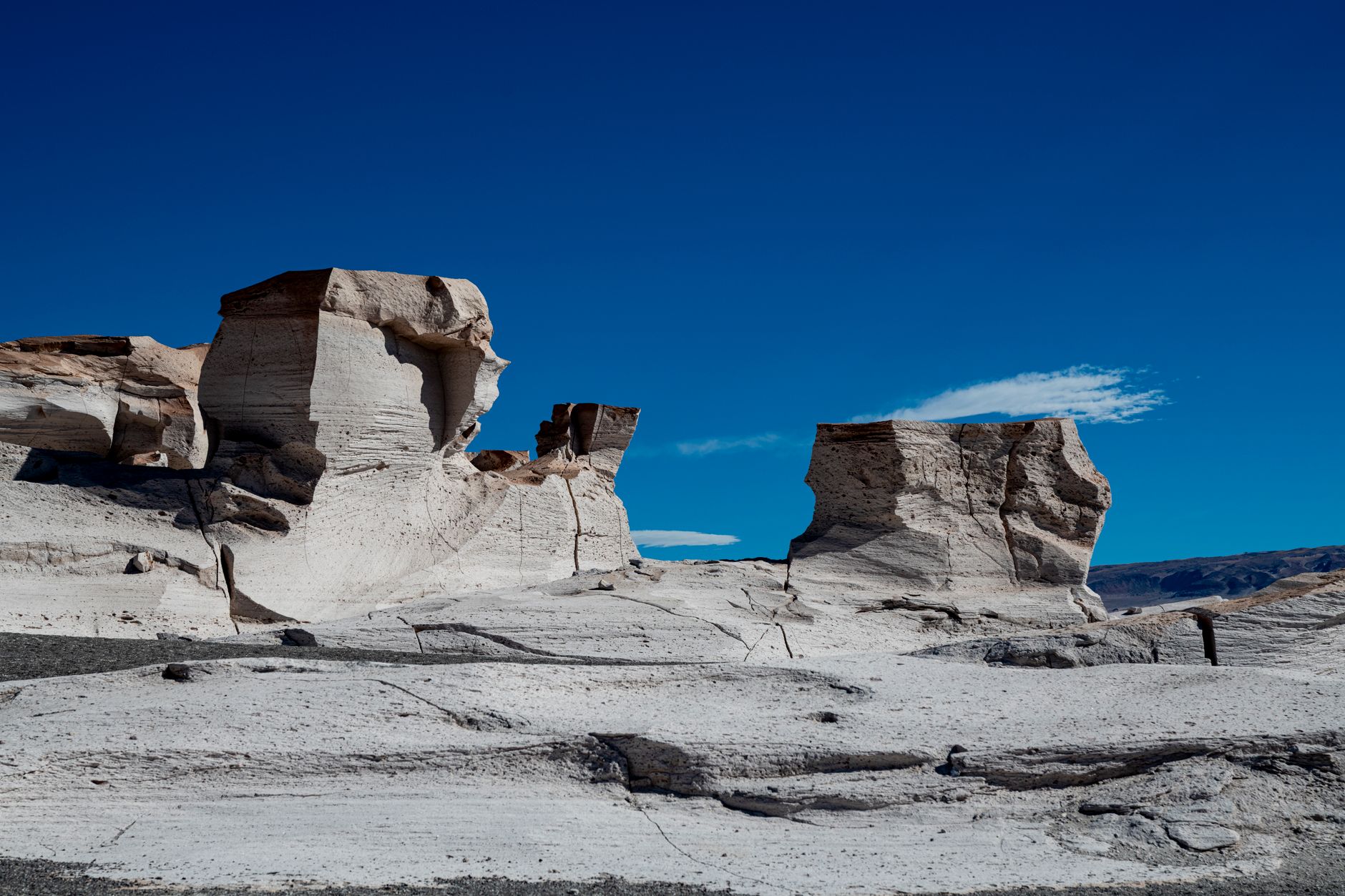

Egypt’s tourism circuit runs deep grooves: the pyramids, the Nile cruises, Luxor, Aswan. But a growing number of travelers are steering west into the Sahara, toward a landscape so strange it reads almost like science fiction – the White Desert, where wind-sculpted chalk formations rise out of flat sand like abstract monuments to geological time.
A Desert Unlike Any Other in Africa
The White Desert, known locally as Sahara el-Beyda, sits roughly 45 kilometers north of the town of Farafra in Egypt’s Western Desert. It became a protected national park in 2002, but it has never attracted the same volume of tourism as Egypt’s pharaonic sites. That’s precisely the appeal for the traveler who has already done the Nile circuit twice and wants something viscerally different.
The terrain is unlike anything else on the African continent. Millennia of wind erosion carved the soft chalk and limestone into towering white formations – some shaped like mushrooms, others like crouching animals or broken columns. At sunrise and sunset, the chalk absorbs the pink and amber light in ways that make the landscape shift color entirely. Midday, under full sun, the formations are almost blinding white against the pale sand. The visual experience changes by the hour.
Getting there requires intention. Most travelers enter through Cairo, drive southwest to the Bahariya Oasis – about 370 kilometers – and then continue south toward Farafra. The road is paved and manageable by private car, though most visitors book a guided 4×4 excursion from Bahariya, which serves as the practical base for White Desert trips. Those tours typically include overnight camping, which is where the experience moves from interesting to genuinely memorable.
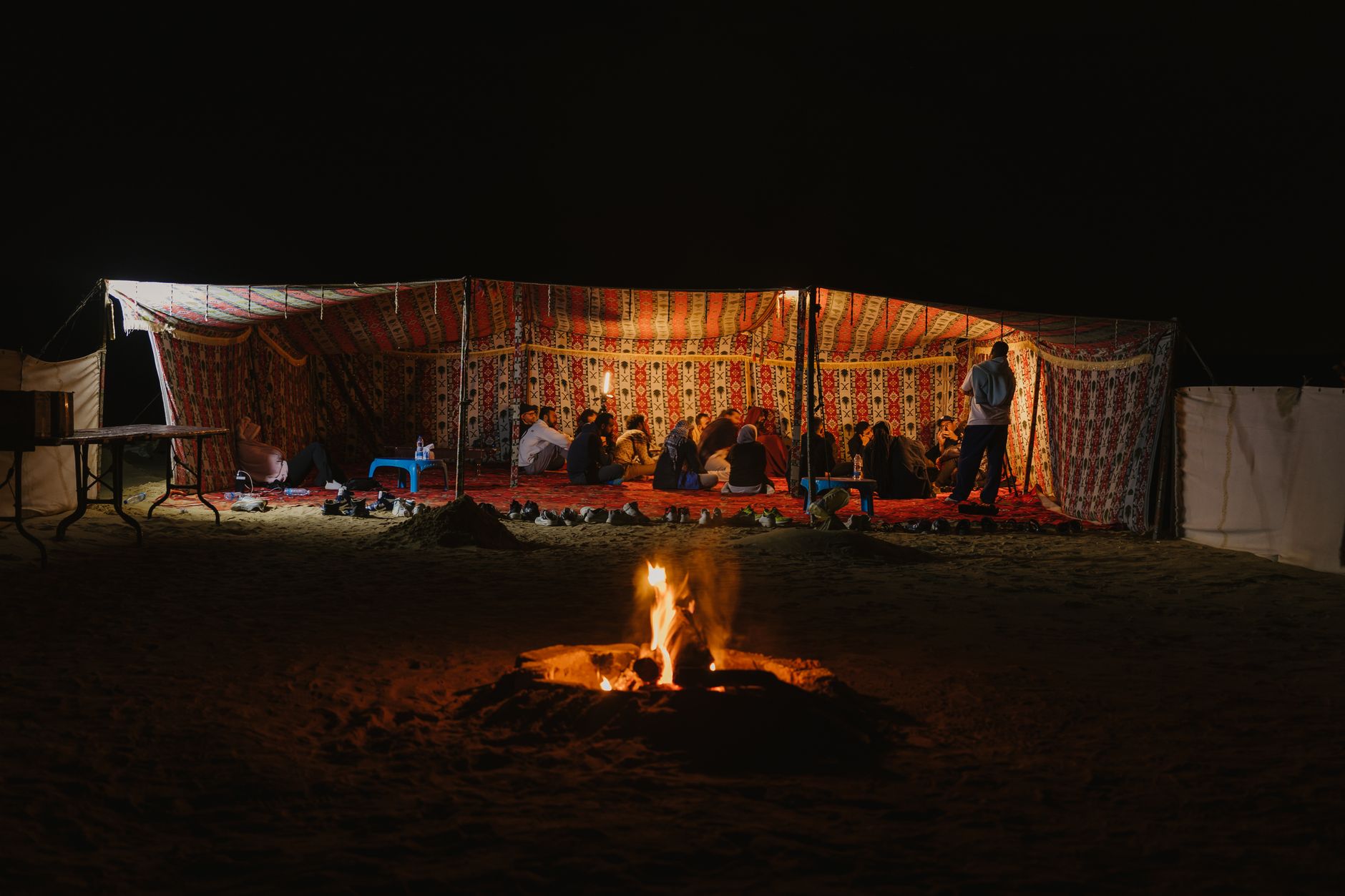
Sleeping on the desert floor, surrounded by chalk sculptures under an unpolluted sky, is the kind of thing that turns a curious detour into the centerpiece of an entire trip. There are no hotels inside the protected park. Camping is the only option for experiencing the desert at night, which removes the usual buffer between traveler and place. It is deliberately uncomfortable in small ways, and those small ways make the whole thing matter more.
The Logistics of Getting Off the Circuit
The Western Desert circuit – which links Siwa, Bahariya, Farafra, Dakhla, and Kharga – has been known among adventure travelers for decades, but it has never broken into mainstream Egyptian tourism in the way the Nile Valley has. Infrastructure is limited on purpose. The town of Farafra itself has a population under ten thousand, a handful of guesthouses, and one notable local attraction: the Badr Museum, a self-built gallery of sand sculptures and folk art created by a local artist over decades. It is exactly the kind of place that rewards travelers who show up without a structured itinerary.
Guided White Desert tours out of Bahariya run anywhere from one night to three, with longer itineraries incorporating the Black Desert – a volcanic landscape of dark-capped hills – and Crystal Mountain, a ridge embedded with quartz crystals visible from the road. Guides handle camping equipment, food preparation, and firewood. The cooking is simple: grilled chicken, rice, flatbread, strong tea. The quality of the experience depends heavily on choosing a reputable operator, and recommendations from recent travelers in online forums tend to be more reliable than anything on a travel agency’s brochure.
The best time to visit is October through April, when daytime temperatures are tolerable and nights are cold enough to make a fire genuinely welcome rather than performative. Summer in the Western Desert is brutal – temperatures regularly exceed 40 degrees Celsius, and the heat reflects off the chalk formations in ways that can be dangerous for inexperienced visitors. The shoulder months, November and March, offer the clearest skies and the most comfortable conditions for overnight camping.
Permits are required to camp within the national park and are typically arranged through licensed guides or tour operators based in Bahariya. The process is straightforward for travelers going through organized tours, but independent campers face more bureaucratic friction. Egyptian authorities have tightened entry procedures for the Western Desert in recent years, and foreigners attempting solo overland travel in the region without a registered local guide have found their plans disrupted at checkpoints along the route. Guided travel is not just convenient here – for most foreign nationals, it is the practical requirement.
One aspect of the White Desert that surprises first-time visitors is the silence. The Sahara is not uniformly quiet – near roads or oases, there is always ambient noise. But inside the protected zone, particularly after midnight, the absence of sound is almost physical. No wind, no insects, no distant traffic. Travelers who spend a night here frequently describe the stillness as the single detail that stays with them longest, more than the formations themselves or the star field overhead.
Where the White Desert Fits in a Broader Egypt Trip
The White Desert works well as a two- to three-day extension of a Cairo-based itinerary rather than a standalone trip. Fly into Cairo, spend two days on the standard sites, then join a three-day Western Desert tour before flying onward or returning north. The Bahariya Oasis is close enough to Cairo that the drive doesn’t feel punishing, and the contrast between the Giza plateau and the silence of Sahara el-Beyda creates a version of Egypt that most visitors never see. For travelers already planning a broader Middle East loop that includes Jordan’s wilderness areas, the White Desert slots naturally into that appetite for landscapes that don’t appear on the standard tourist map.
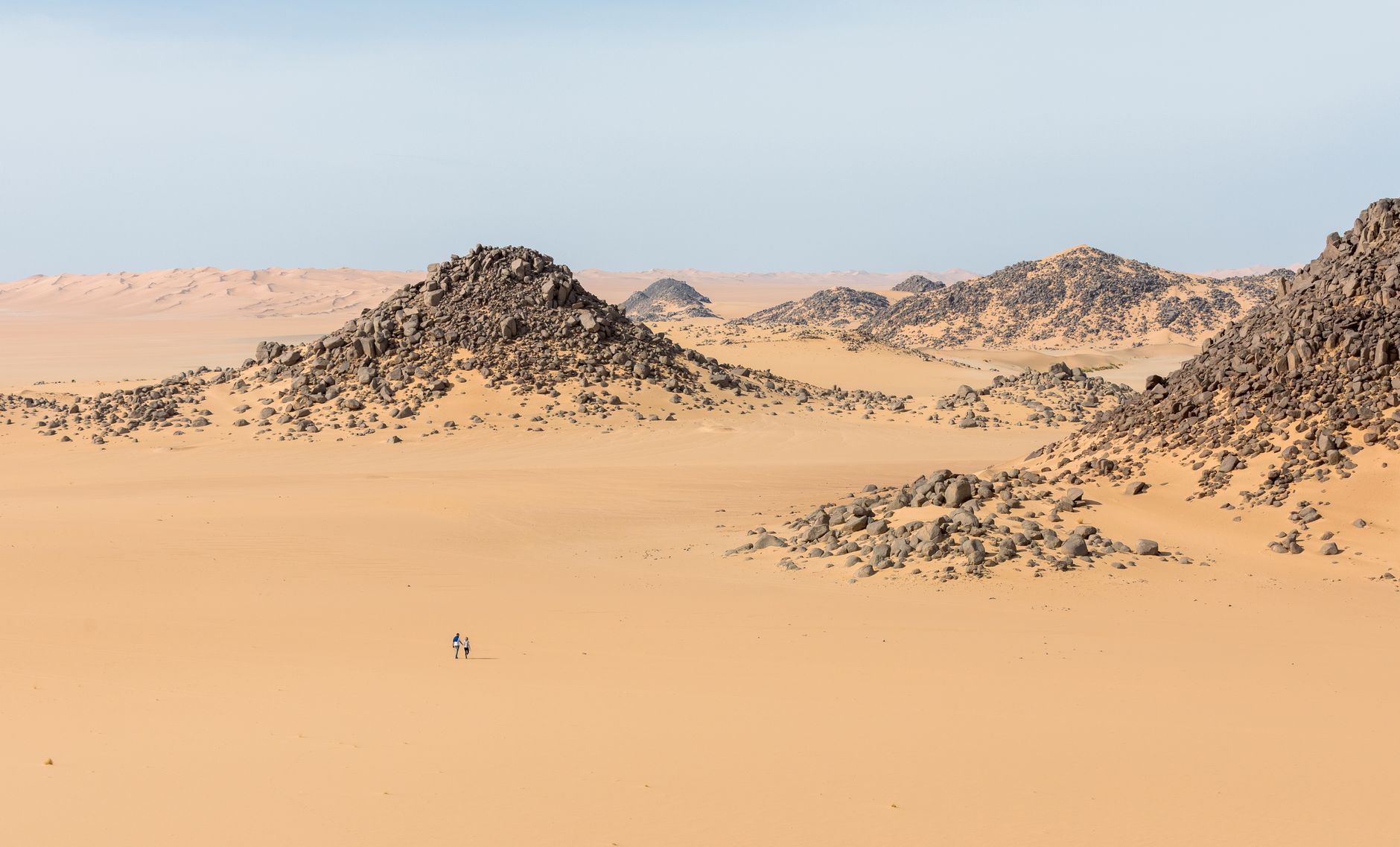
The national park covers roughly 3,010 square kilometers, and access to its interior is controlled. That controlled access is the main reason the landscape has stayed intact while other natural sites across North Africa have been stripped by unregulated tourism. The formations are fragile – chalk fractures easily, and earlier, less regulated periods of visitation left damage that is still visible in some areas. The current permit system is imperfect, but it is doing the work it was designed to do. Whether Egypt chooses to scale up tourism to the White Desert or keep it deliberately niche will determine what the landscape looks like a generation from now.